Strengthening Community Land Governance through Village and Chiefdom Land Committees

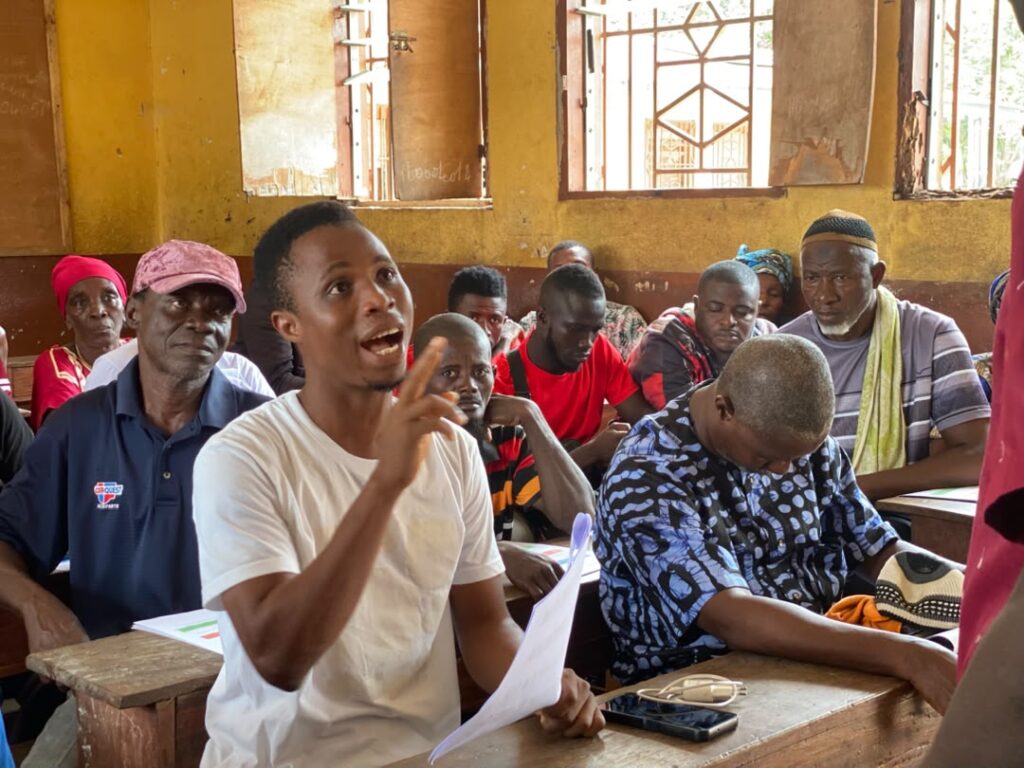
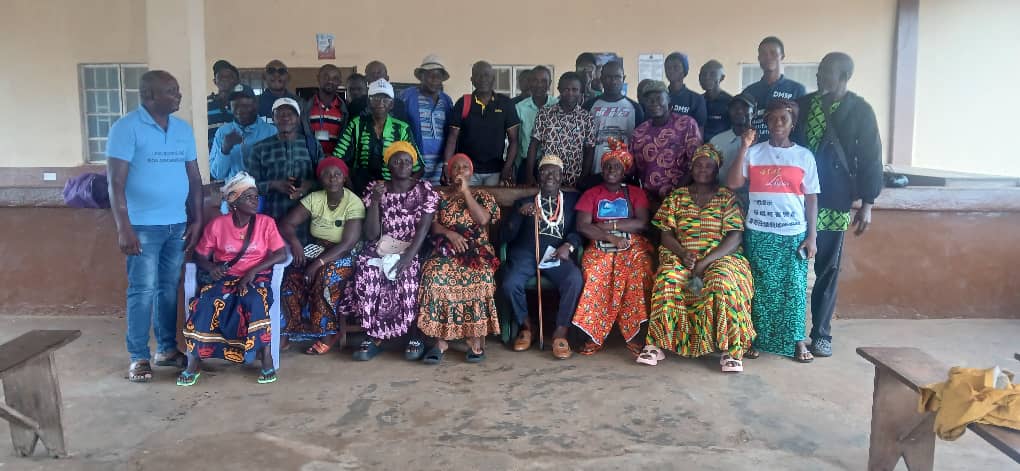
Land for Life and its implementing partners in Pujehun, Kenema, Tonkolili and Port Loko Districts are advancing the establishment of community-level land governance structures across their respective operational areas. The initiative supports the formation of Village Area Land Committees (VALCs) and Chiefdom Land Committees (CLCs) as important mechanisms for promoting inclusive, transparent and participatory land administration at the local level.
The establishment of these committees is being undertaken within the framework of Sierra Leone’s ongoing land governance reforms, particularly the Customary Land Rights Act and the National Land Commission Act, 2022. Through engagements with traditional authorities, communities, landowners, land users, women and other relevant stakeholders, Land for Life and its partners are supporting communities to understand the purpose, functions, roles and responsibilities of these structures and to prepare them for meaningful participation in local land governance.
The Village Area Land Committees are expected to provide communities with accessible platforms through which land-related matters can be discussed and addressed at the community level. These include consultations on land, support for local land administration processes, documentation and management of grievances, and the promotion of peaceful approaches to land-related disputes. The structures also provide an opportunity to strengthen the participation of women, land users, landowning families, youth and other community stakeholders in decisions affecting customary land.
At the chiefdom level, the Chiefdom Land Committees will complement community-level structures by strengthening coordination and engagement on customary land governance within chiefdoms. Together, the VALCs and CLCs can help create clearer channels for communities to engage with traditional authorities, District Land Commissions and other land governance institutions.
For the District Multi-Stakeholder Platforms (DMSPs), the process represents an important step in translating national land governance reforms into practical and functioning structures at community level. The DMSPs are playing an important role in facilitating stakeholder engagement, creating awareness and supporting coordination among the various actors involved in the land governance process.
Importantly, the establishment process is being guided by tools prepared by the National Land Commission, which are being used by the DMSPs and implementing partners to support a more systematic and consistent approach to the formation and documentation of the committees across the participating districts.
Upon completion of the exercise, data and information collected on the formation of the various committees will be handed over to the respective District Land Commissions for onward follow-up, coordination and institutional support. This will help strengthen the linkage between community-level land governance structures and the formal land administration system.
The initiative is therefore more than the establishment of committees. It represents a practical effort to bring land governance closer to communities while promoting accountability, transparency, participation, inclusion and peaceful management of land-related issues. By empowering communities to understand their rights and responsibilities and participate in local land governance, Land for Life and its partners are contributing to the development of stronger and more responsive land governance systems across Sierra Leone.