UNFAO, Land for Life and Partners Assess Impact of Inclusive Land Governance Project

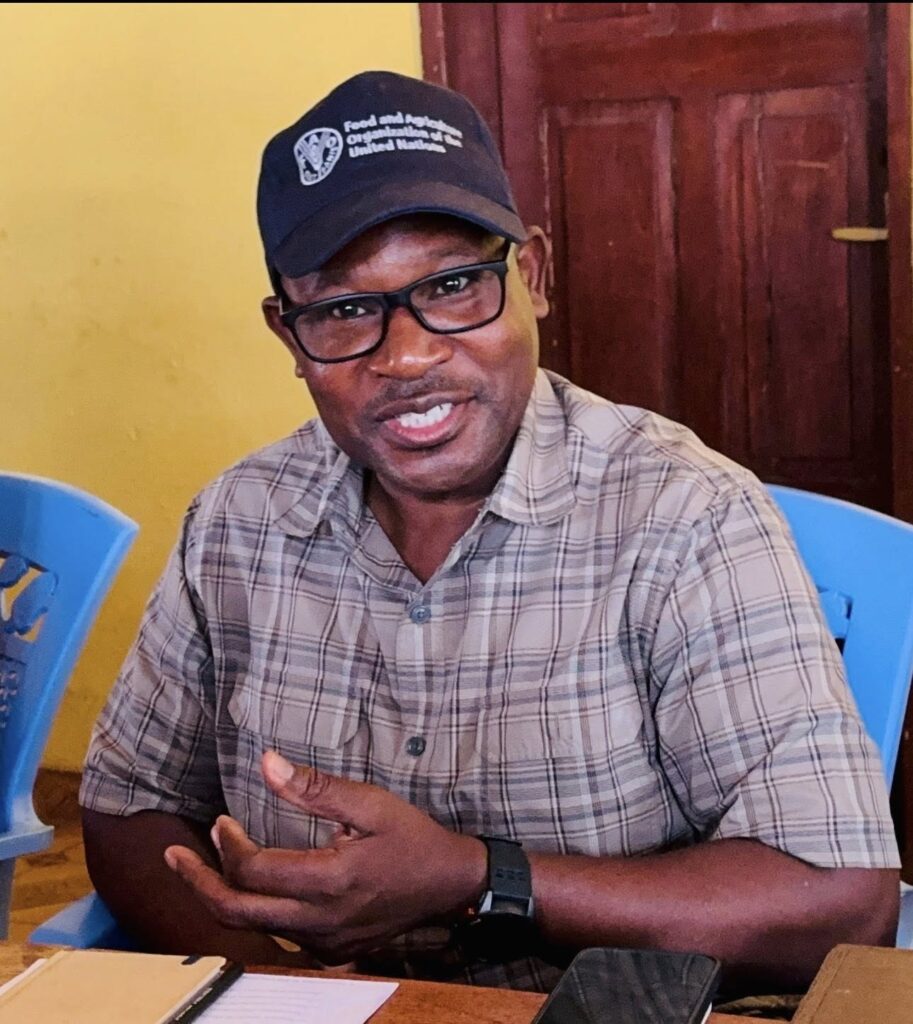
Land for Life, alongside Green Scenery, the Ministry of Lands, Housing and Country Planning and the National Land Commission, joined Food and Agriculture Organization Country Representative, Saeed Abubakar Bancie, and his team to conclude a two-day joint monitoring visit across Bombali District, Tonkolili District, Kambia District and Port Loko District.
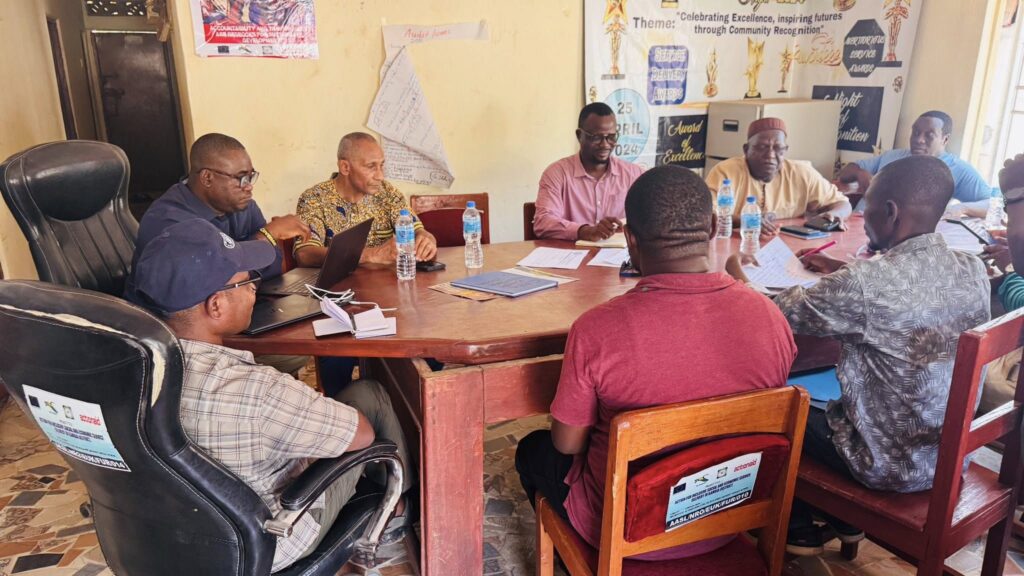
The visit assessed the implementation and outcomes of the six-month Promoting Inclusivity Project, implemented by Land for Life and Green Scenery through the District Multi-Stakeholder Platforms (DMSPs). During the monitoring exercise, the team engaged DMSP members, community landowners, Paramount Chiefs and land users to better understand the impact of the interventions within their respective districts.
A key highlight of the project has been its contribution to advancing women’s land rights by promoting more secure access to and ownership of land for women. The DMSPs have also played an important role in resolving land disputes that could otherwise have escalated into major community conflicts.
Among the major activities implemented under the project were support provided to the DMSPs to conduct radio discussion programmes aimed at raising public awareness on land rights and the ongoing land reform process. The project also supported the formation and verification of Village Area Land Committees and Chiefdom Land Committees across the target districts, helping to strengthen inclusive and accountable local land governance structures.

As part of the intervention, stakeholders also participated in a peer learning visit to Malen Chiefdom, where participants exchanged experiences and lessons on land governance, dispute resolution and community engagement practices.
The project further facilitated training sessions for local court authorities at chiefdom level, which were conducted by sitting Magistrates. These trainings enhanced the capacity of local justice actors to better understand and apply Sierra Leone’s evolving land governance framework and new land laws in the handling of land-related disputes.
The monitoring visit also revealed the extensive efforts undertaken by the DMSPs to engage the media and communities in preparing for the operationalization of the new land governance structures. Collectively, these interventions have contributed to stronger community cohesion, improved land administration systems, and greater inclusivity in local land governance processes across the participating districts.