Bridging the Gap: Strengthening Local and Formal Justice Systems for Better Land Governance in Sierra Leone

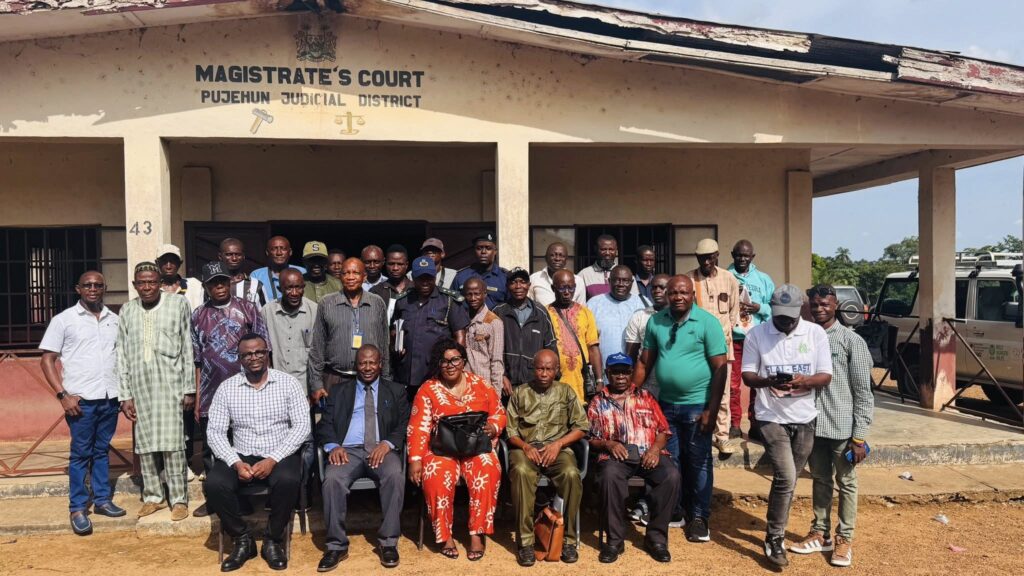
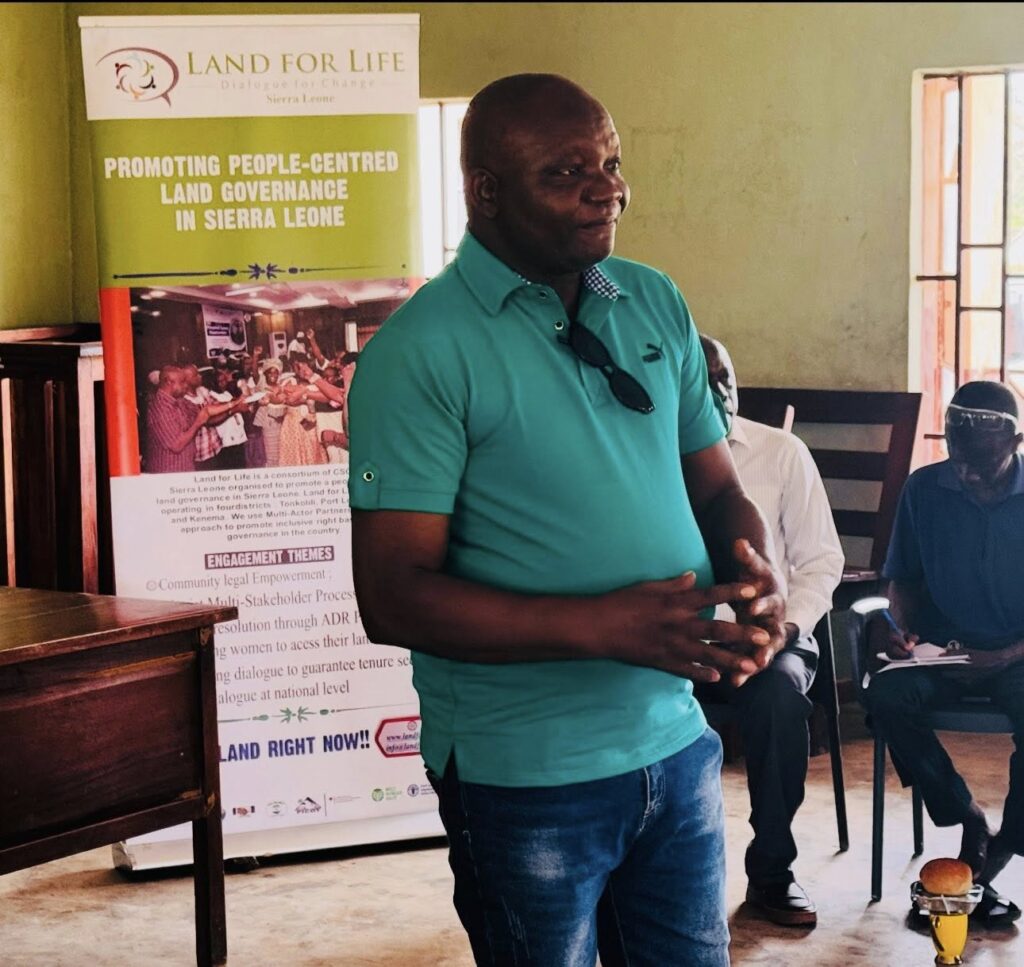
From 13th to 16th April, a series of district-level trainings were conducted across Port Loko, Pujehun, Kenema, and Tonkolili, bringing together key actors within Sierra Leone’s local justice system to address persistent challenges in land governance and administration. The trainings were organized in response to growing concerns raised by District Multi-Stakeholder Platforms (DMSPs) and the project implementation team regarding how Local Courts have been handling justice, particularly issues related to jurisdictional overreach, procedural inconsistencies, and the management of land disputes.
For many participants, the sessions provided a rare opportunity to reflect on existing practices and engage directly with members of the formal justice system. Sitting Magistrates, State Counsel, Customary Law Officers, Local Court Chairpersons, Court Clerks, and Chiefdom Administrative Clerks came together in a shared learning space, fostering open dialogue on the gaps and challenges affecting justice delivery at the local level. Through these interactions, participants were able to clarify roles, responsibilities, and the limits of their authority under the law.
Central to the trainings was a focus on strengthening participants’ understanding of key legal frameworks, including the Local Courts Act, the Customary Land Rights Act, and the Estate Devolution Act. Facilitated by Magistrates and legal practitioners, the sessions emphasized adherence to due process, respect for jurisdictional boundaries, and the importance of protecting human rights in the handling of land and inheritance cases. Practical discussions and real-life scenarios helped participants better understand how to navigate complex and often contentious land matters within the scope of the law.
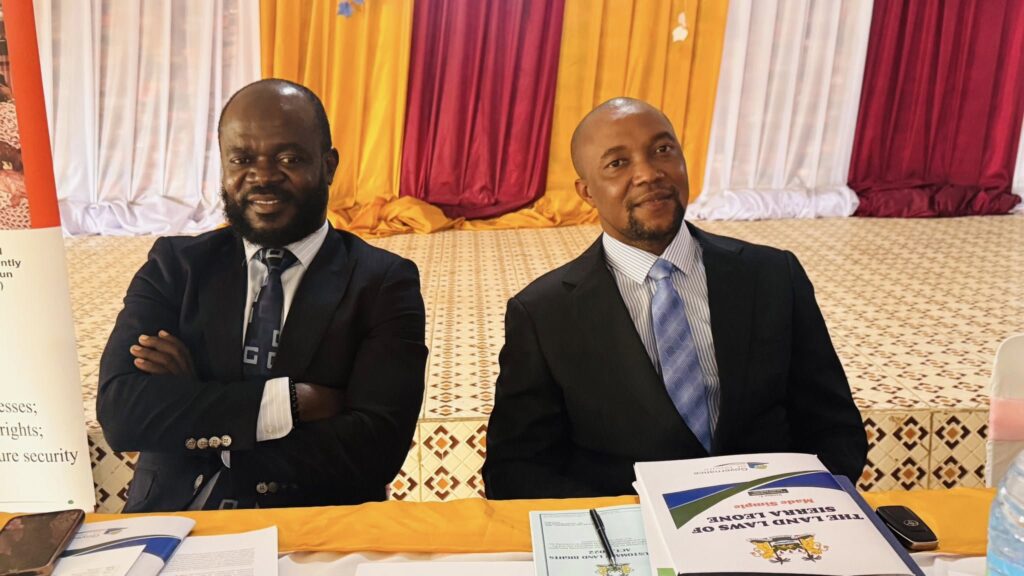
One of the most significant outcomes of the trainings was the establishment of stronger coordination between Local Court authorities and the formal court system. This renewed collaboration is expected to improve case management, enhance consistency in the application of the law, and promote greater accountability across the justice sector. Participants expressed a shared commitment to working more closely together to ensure that justice is delivered fairly and efficiently.
The trainings also reinforced the critical role of Local Courts as courts of first instance, while underscoring the importance of operating within their legal mandate. Local Court officials reaffirmed their commitment to refraining from handling criminal matters beyond their jurisdiction and to upholding fairness and due process in all proceedings.
As the sessions concluded, there was a clear sense of progress and renewed purpose among participants. By addressing systemic challenges and strengthening institutional collaboration, the initiative marks an important step toward improving access to justice and building public confidence in local land governance systems across Sierra Leone.