Strengthening Women’s Land and Inheritance Rights in Post-Conflict Sierra Leone: Legal Reforms and Community-Level Action

After the official declaration of the end of the Civil War on 28 January 2002, the Government of Sierra Leone established the Truth and Reconciliation Commission of Sierra Leone (TRC) to investigate the root causes of the eleven-year conflict and recommend measures to prevent a recurrence.
Among the many issues examined, the TRC highlighted the disproportionate impact of the war on women, particularly in relation to access to land and inheritance of property. The Commission found that discriminatory customary practices, weak legal protections, and the displacement caused by the war left many women, especially widows, vulnerable to dispossession and economic insecurity.
In response to these concerns and as part of broader post-conflict reforms, the Government enacted the landmark “Three Gender Acts” in 2007: the Devolution of Estates Act, the Domestic Violence Act, and the Registration of Customary Marriage and Divorce Act. These laws were introduced to strengthen the protection of women’s human rights and dignity, particularly within the family and domestic sphere.
The Devolution of Estates Act, in particular, marked a significant step forward in safeguarding women’s inheritance rights. It defines the rights of surviving spouses, children, parents, and other dependents to inherit property. The Act provides that the estate of a deceased person devolves according to specified statutory proportions, prioritizing the immediate family. It also outlines procedures for estate administration and addresses disputes that may arise in cases involving multiple marriages or polygamous unions. Importantly, it criminalizes property grabbing and protects widows from unlawful dispossession.
In more recent years, the Government has continued to strengthen the legal framework for women’s land rights through the enactment of the Customary Land Rights Act and the Gender Equality and Women’s Empowerment Act (GEWE). These laws further reinforce gender equality in land ownership, participation in land governance, and women’s socio-economic empowerment.
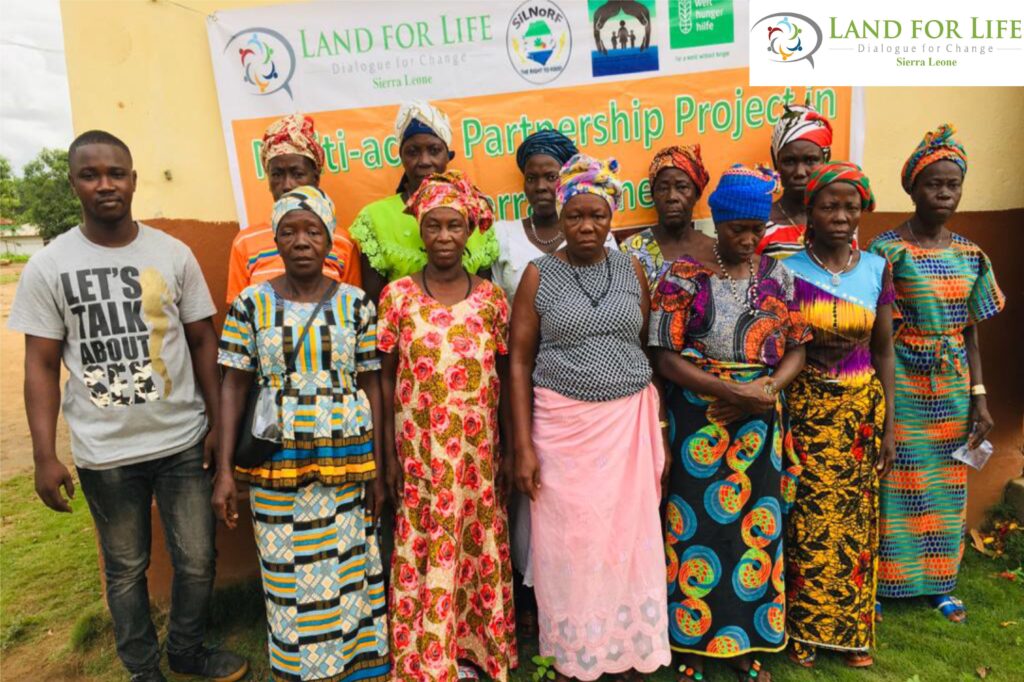
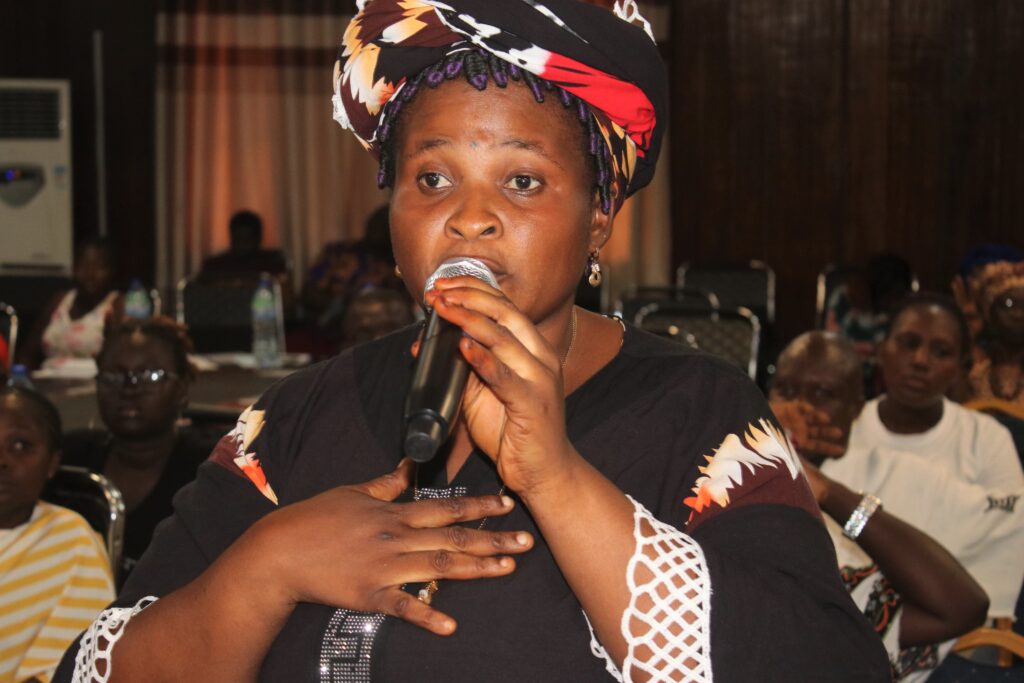
As an organization advocating for women’s land rights, Land for Life has, over the years, actively engaged vulnerable women and women’s groups on practical ways to secure and protect their land rights through gender-transformative approaches. The organization has also encouraged women to participate in decision-making processes within the District Multi-Stakeholder Platform (DMSP). As a result of sustained advocacy, women’s participation in the DMSP has increased to 30 percent.
Through community sensitisation, legal awareness training, engagement with traditional authorities, and support to paralegals, the organization has been working closely with local leaders to examine and reform traditional norms that continue to debar women from accessing, using, and inheriting land. These efforts complement national reforms and promote more inclusive and equitable land governance at the community level.
Today, more women are able to access and utilize land for farming, small-scale businesses, and other livelihood activities. There is growing awareness within communities about women’s statutory rights, reduced incidences of property grabbing, and improved collaboration between women, traditional authorities, and local governance structures. While challenges remain, these combined legal and community-level interventions are gradually transforming gender relations in land ownership and strengthening women’s economic security and social standing.