2025 African Land Policy Conference Wraps Up With Fresh Commitments to Justice and Reform for the continent

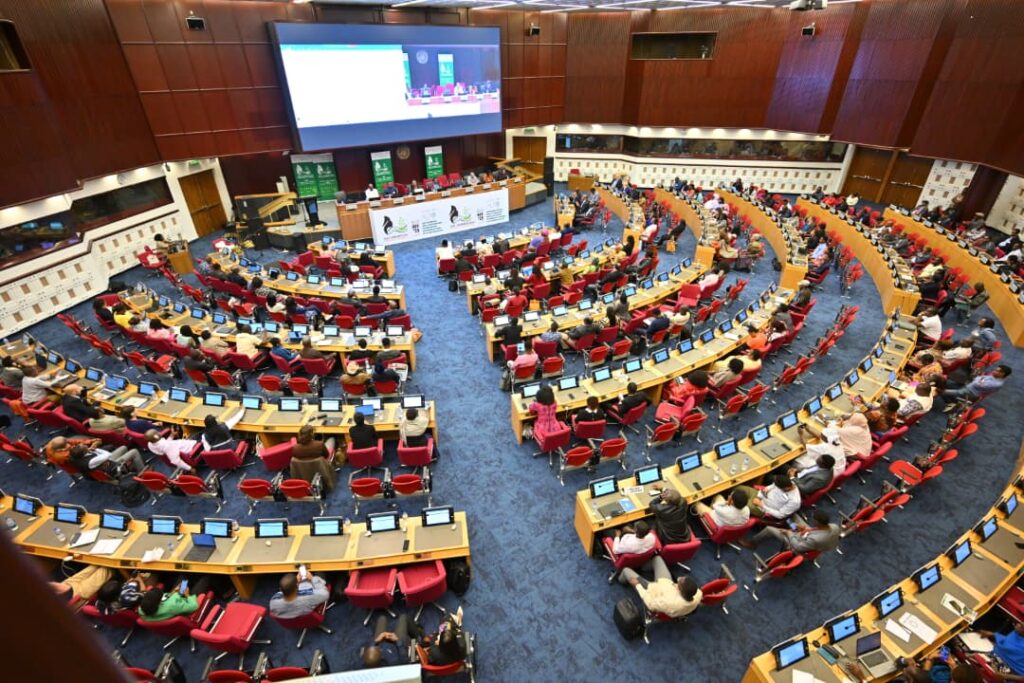
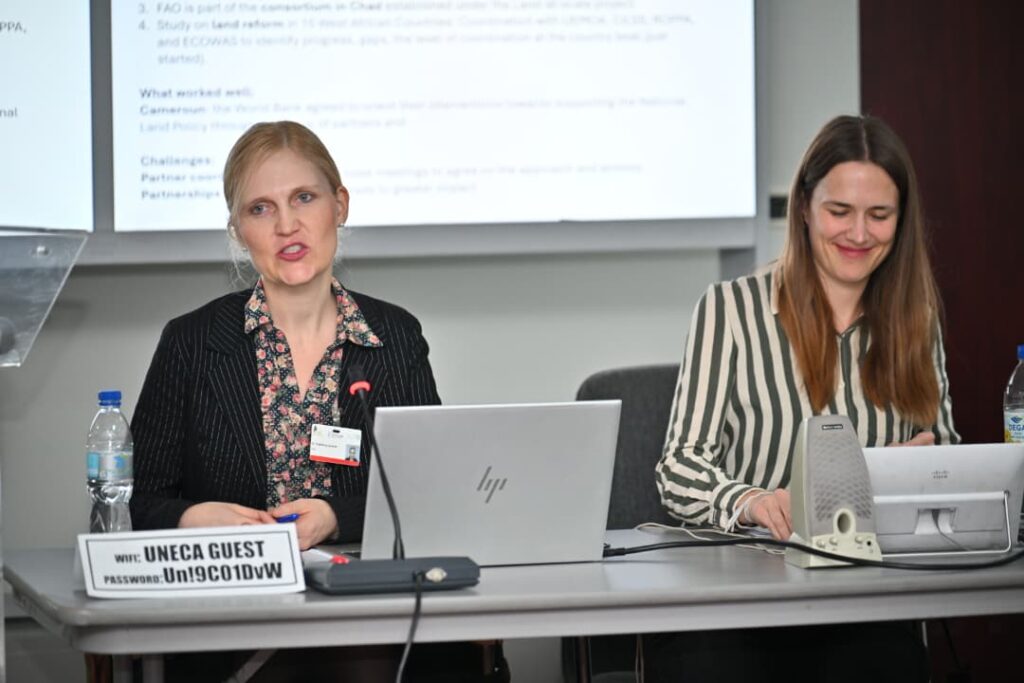
With support from BMZ through Welthungerhilfe, Land for Life participated in the 2025 Conference on Land Policy in Africa (CLPA), held from 10–14 November 2025 in Addis Ababa Ethiopia. The conference brought together policymakers, traditional leaders, academics, civil society actors, and development partners to engage with one of the most enduring issues in global history: the pursuit of justice and reparations for Africans and descendants of enslaved and colonized peoples.
During the opening session, the Executive Secretary of the Economic Commission for Africa (ECA), Mr. Claver Gatete, delivered a compelling call to action for Africa’s future. He emphasized that as the continent faces ongoing economic uncertainties and intensifying climate pressures, genuine progress depends on addressing historical injustices and placing reparations, justice, and healing at the center of policy efforts.
Declaring the 2025 Conference officially open, South Africa’s Minister of Land Reform and Rural Development, Mazwanele Nyhontso, underscored the vital role of experts and researchers in shaping effective land policy. While welcoming constructive criticism, he encouraged academics and practitioners to continue offering innovative insights and practical recommendations to strengthen land policy formulation and legislative drafting across the continent.
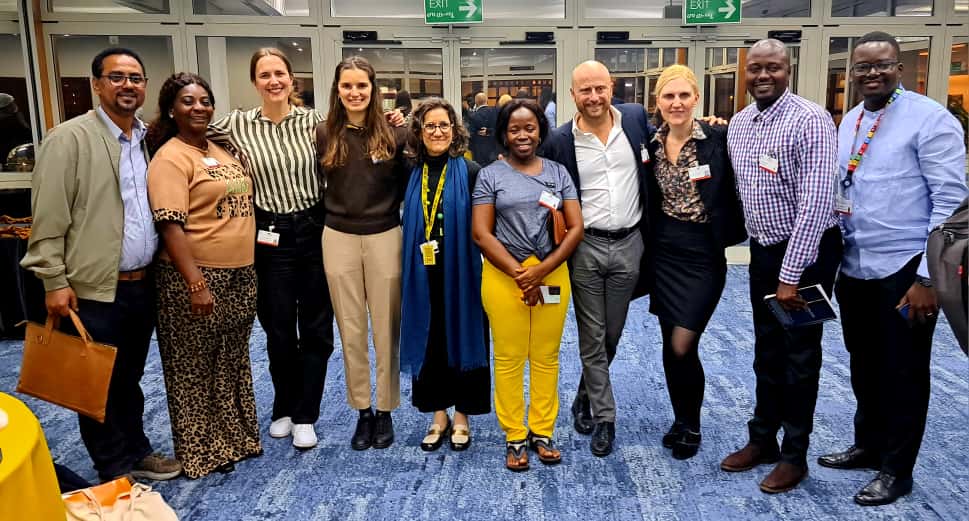
On Day 3, a cocktail event hosted by Welthungerhilfe, UNFAO, ILC, Oxfam, and other partners provided a platform for dialogue and reflection. During this session, Nancy Gbamoi from the Port Loko DMSP was invited to respond to UNFAO’s report on the state of land governance. She shared local perspectives on how Land for Life and its Port Loko partners have been working to address land governance challenges within the district.
Throughout the four-day conference, diverse thematic sessions on land governance and administration were convened. Participants from across Africa and beyond engaged actively, sharing national experiences, raising critical questions, and contributing contextual insights on land governance systems, challenges, and pathways for reform.